


 Fire protection service in saudi
Fire Production Service in Saudi
Fire safety is a concern in Saudi Arabia. With many buildings and projects a small fire can quickly become a big disaster if the buildings are not protected. According to reports from the Saudi Civil Defense there are thousands of fire-related incidents every year in warehouses, factories, offices, shopping malls and residential buildings. The biggest danger is not the fire itself. How fast the smoke and flames can spread through gaps and openings in the buildings.
Fire stopping services in Saudi Arabia are now considered a part of building safety. Fire stopping is part of a plan to protect people and property from fires. It helps keep the fire contained in one area giving people time to evacuate and the emergency teams time to respond. With building codes and more awareness about fire safety, property owners and contractors can no longer ignore fire protection systems. From buildings in Riyadh to facilities in the Eastern Province fire stopping is now a critical investment.
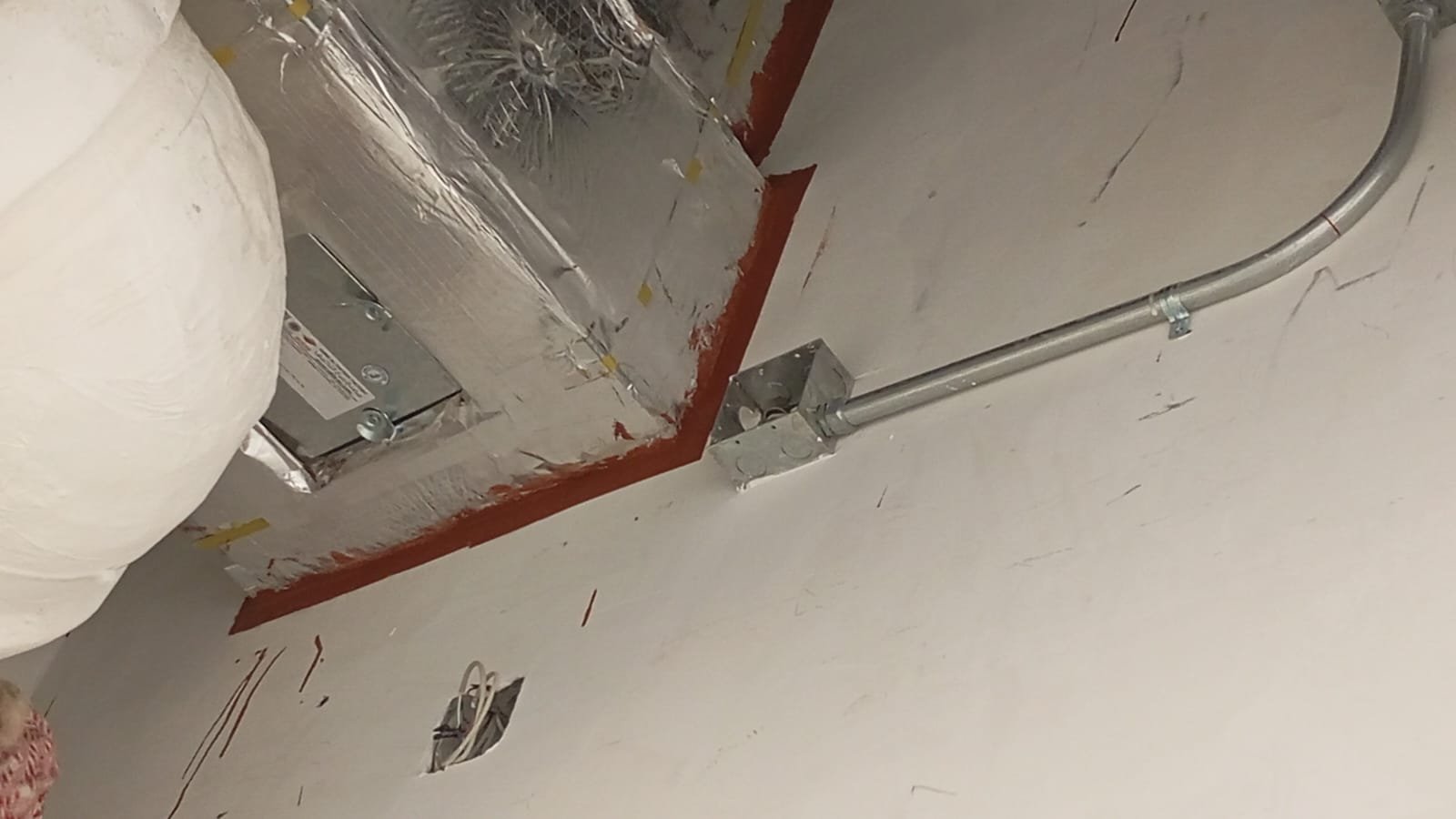
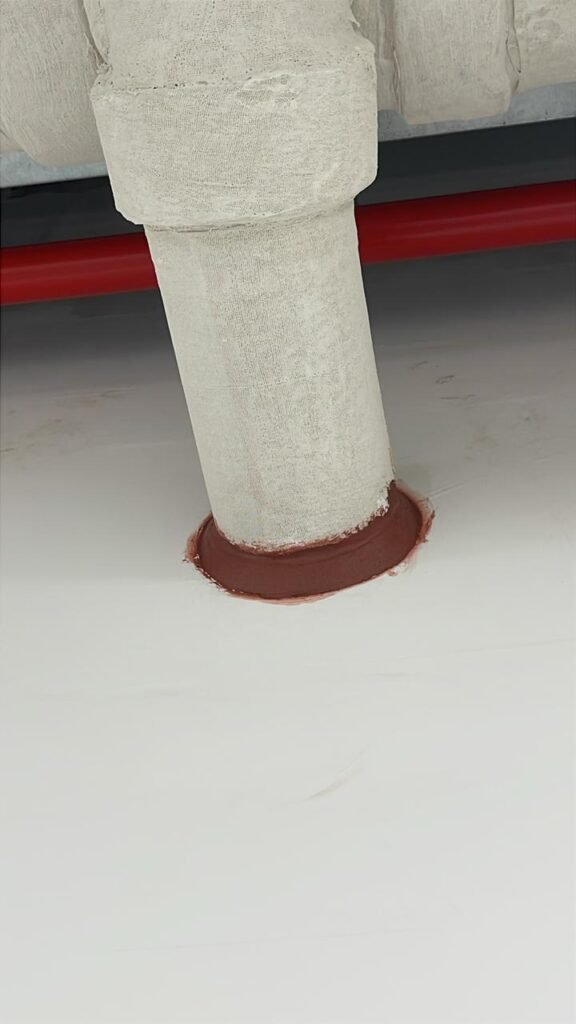
This guide explains what fire stopping is, why it matters, where it is used and how businesses can choose the fire protection partner in Saudi Arabia. Fire stopping is the process of sealing openings and joints in walls, floors and ceilings to stop fire, smoke and heat from spreading. Think about all the openings created during construction like cables, plumbing pipes and HVAC ducts. Without sealing these gaps they can become pathways for fire and toxic smoke.
Fire stopping is always working in the background. It is built directly into the structure itself. Does not need electricity or manual activation. Its main job is to slow down the spread of fire and buy time. This is why many developers and facility managers invest in fire barrier services in Saudi Arabia to improve safety and meet compliance requirements. Fire stopping services in Saudi Arabia are used in different types of buildings including commercial, industrial and residential.
Most people imagine fire spreading openly through rooms and hallways. In reality smoke and flames often travel through hidden spaces first. Modern buildings have penetration points created for wiring, plumbing systems HVAC ducts and cable trays. If these openings are not sealed correctly heat and smoke can move through them fast. In high-rise towers smoke can travel through service shafts within minutes. A small electrical fire on one floor can quickly affect levels if there is poor fire rated penetration sealing in place.
That is why certified firestop sealant installation services in KSA are so important in commercial and industrial buildings. Different openings require fire stopping solutions. Contractors typically choose systems based on the penetration size, material type and fire rating requirements. There are different types of fire stopping materials and systems including intumescent sealants, fire stopping collars and pillows fire rated boards and wraps and mortar and foam systems.
Intumescent sealants expand when exposed to temperatures closing off openings and preventing fire and smoke from passing. Fire collars are installed around plastic pipes. Crush the pipe as it melts during a fire sealing the opening completely. Fire pillows are used around cable trays because they can be removed and reinstalled during maintenance work. Fire rated boards and wraps are used for wall openings and duct penetrations and can handle heat exposure while maintaining structural protection.
Mortar and foam systems are used for gaps and floor penetrations in commercial facilities. Together these systems create the foundation of passive fire protection in Saudi Arabias modern buildings. Fire stopping regulations and compliance in Saudi Arabia are very important. The Saudi Building Code outlines fire protection requirements for industrial, healthcare, educational and residential buildings.
Any penetration passing through a fire-rated assembly must be properly sealed using approved systems. This includes pipes, electrical conduits, cable trays, duct penetrations and structural joints. Ignoring these requirements can create problems for developers and contractors. As construction activity grows across the Kingdom SBC compliant fire protection is now viewed as a requirement than an optional upgrade.
Saudi Arabia also follows internationally recognized NFPA standards to improve building safety. The NFPA 101 Life Safety Code focuses on protecting building occupants during emergencies by improving evacuation safety and reducing fire risks. The NFPA 221 Standard for Fire Walls covers the construction and performance of fire walls and fire barriers including penetration protection systems. The NFPA 72 Fire Alarm and Signaling Code supports compartmentation strategies by ensuring fire detection systems work effectively alongside protection measures.
Saudi Civil Defense authorities enforce these regulations making NFPA fire stopping compliance essential for construction projects. Before a building can receive approval in Saudi Arabia, Civil Defense inspectors review its fire protection systems. Professional fire stopping contractors are expected to hold UL Listed certifications, FM Approved system certifications and manufacturer-authorized training certifications.
When hiring a fire stopping company in KSA checking these credentials is extremely important. Experienced contractors will provide documentation, testing records and compliance reports. This is one reason why many developers prefer working with fire stopping contractors in Riyadh who already understand regulations and approval processes.
Fire stopping applications are used across different sectors in Saudi Arabia, including commercial buildings, industrial and oil and gas facilities, government and giga projects and residential high-rise buildings. Commercial properties see foot traffic, which means fire safety risks are naturally higher. Hotels, malls, hospitals and office towers have mechanical systems running through walls and ceilings.
Every cable tray, pipe opening and duct penetration becomes a potential fire spread route if left unsealed. Critical areas often include service shafts, elevator lobbies, electrical rooms, corridors and HVAC risers. Fire stopping services in Jeddah and other growing regions are increasing rapidly. Industrial sites present some of the fire risks anywhere in the Kingdom.
Refineries, petrochemical plants, warehouses and manufacturing facilities deal with temperatures, combustible materials, hazardous chemicals and heavy machinery. In these environments ordinary sealing materials will not work. Specialized fire barrier services in Saudi Arabia are required to handle heat and industrial conditions. Reliable passive fire protection solutions help reduce downtime protect infrastructure and improve worker safety in these high-risk facilities.
Saudi Arabias Vision 2030 projects are transforming the countrys infrastructure landscape. Massive developments like NEOM, Qiddiya, Riyadh Metro, Diriyah Gate and The Red Sea Project require world-class fire safety systems that meet standards. Government projects place emphasis on certified fire stop systems UL-tested assemblies, third-party inspections and full SBC and NFPA documentation.
Experienced fire stopping contractors in Riyadh are heavily involved in both design and execution stages. Fire safety is no longer treated as a checklist item. It has become part of long-term infrastructure planning from the beginning. Residential towers are becoming increasingly common across cities. Taller buildings also create fire safety challenges.
Smoke can travel quickly through risers, ceiling voids and utility shafts if penetrations are not properly sealed. Common risk areas include plumbing penetrations, electrical conduits, HVAC shafts and kitchen exhaust systems. Without fire rated penetration sealing, even a small apartment fire can spread rapidly between floors.
For property managers and developers regular inspections and certified firestop sealant installation KSA services are essential. After renovation work or maintenance activities that create wall penetrations it is very important to check the fire stopping systems. Choosing the fire stopping company in Saudi Arabia is very important.
A reliable fire stopping company in KSA should have Saudi Civil Defense approvals, NFPA and SBC expertise, certified technicians, UL-listed systems and strong project experience. This is because contractors with experience across healthcare and residential projects usually understand compliance challenges much better.
Before hiring a contractor ask questions such as: Are your fire stop systems UL or FM approved? Do you provide warranties? Will you supply inspection reports and compliance documents? Can you support retrofit projects as new construction? Do you offer third-party testing support? Good contractors won’t hesitate to explain their systems and provide documentation.
Be careful if a contractor has no Civil Defense licensing uses materials that cannot provide compliance reports offers cheap pricing or avoids inspections or testing. Poor-quality installations can fail during inspections. Create major safety risks later. That is why investing in certified fire stopping services in Saudi Arabia protects both people and property over the term.
The fire stopping installation process is very important. Every project begins with a site inspection. Technicians identify all penetration points across walls, ceilings and floors including cable openings, pipe penetrations, structural gaps, HVAC ducts and expansion joints. Some contractors also use imaging and digital inspection tools to detect vulnerabilities.
The contractor selects the sealants, fire boards, wraps, mortars and collars based on UL-tested system designs and fire rating requirements. Proper fire rated penetration sealing depends on choosing systems that match the penetration type and wall assembly. Experienced firestop sealant installation KSA providers also prepare drawings before installation begins.
The actual installation process usually involves cleaning and preparing openings installing backing materials applying certified fire stop products checking depth and coverage and labeling completed systems. Throughout the project inspectors perform quality checks to ensure everything meets SBC requirements and manufacturer standards.
After the installation is complete the contractor provides documentation and compliance reports. This is very important for the building owner and the authorities. Fire stopping services in Saudi Arabia are a part of building safety. They help protect people and property from fires and are required by law. By choosing a fire stopping company and following the correct installation process you can ensure that your building is safe and compliant, with all regulations.
After the workers finish installing things they give us reports that say everything is okay certificates for the products drawings of what was built papers that show we followed the rules and pictures to prove it.
These papers are important for the people at Civil Defense to approve and for us to remember what we did in the future.
Having all these papers also shows that we did what the NFPA fire stopping rules in Saudi Arabia say and what the SBC fire protection standards require.
Frequently Asked Questions
1. What is the difference between fire stopping and fireproofing?
Fire stopping is like putting a seal on the gaps and holes to stop the fire and smoke from moving from one room to another.
Fireproofing is like putting a coat on things like steel beams and columns so they do not get damaged by the heat.
Fire stopping is very important to protect us from fires.
2. Do all buildings in Saudi Arabia need fire stopping?
Yes the SBC 801 rules say that all commercial, industrial, healthcare and residential buildings, the really tall ones need to have fire stopping systems that are approved.
Fire stopping is necessary in Saudi Arabia.
3. How long does it take to install fire stopping?
It depends on how big the project’s
For a commercial floor it might take around 2 to 5 days but for a really big industrial place it could take weeks.
The time it takes to finish fire stopping can be different.
4. How often should we check the fire stopping systems?
Most buildings should be checked every year. After we do some renovations, maintenance work or add new things.
We need to check the fire stopping systems
5. Can we add fire stopping to buildings that are already built?
Yes we can do this when we are renovating or making the building safer.
We can add fire stopping to buildings in Saudi Arabia.
Final Thoughts
There is a lot of construction going on in Saudi Arabia. It is changing the cities. We need to make sure that the buildings are safe from fires.
Good fire stopping systems do more than just help us pass inspections.
They save lives reduce damage to property slow down the fire and smoke and give people time to get out in an emergency.
Whether it is a building, an industrial place, a residential high-rise or a big project for Vision 2030 getting fire stopping services from a good company in Saudi Arabia is a smart decision for safety.
If your building needs to be checked or you need help with fire stopping working with people who know what they are doing can make a difference.
Fire stopping services in Saudi Arabia are very important for safety.
Fire stopping contractors in Riyadh can help with this.
A fire stopping company in KSA can provide these services.
Installing sealants in KSA is part of fire stopping.
Sealing the holes and gaps in walls and floors with fire rated materials is also very important.
We need to follow the NFPA fire stopping rules in Saudi Arabia.
We also need to meet the SBC compliant fire protection standards.
Fire stopping is necessary for fire protection in Saudi Arabia.
It is necessary to work with a fire stopping company, in KSA.
